Max Yaks

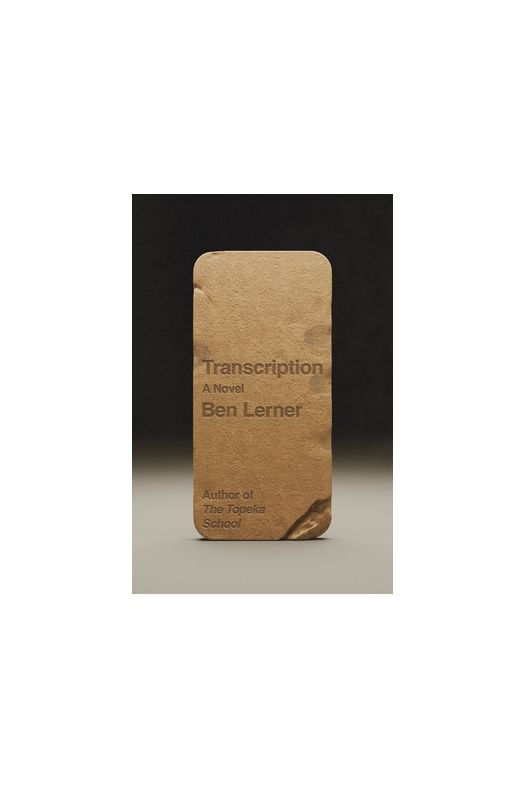
The third and final section of Ben Lerner’s Transcription differs from the first two in that it appears to be one long scene of dialogue. The characters are the protagonist—who actually has a small role—and Max, Thomas’ son, who is shown telling the protagonist a long story about his daughter Emmie and then his father. So, the narrator changes between sections two and three, going from the protagonist to Max; the protagonist becomes a character, no longer an “I” but an entity who witnesses Max’s story.
Unusual, no? More on this later.
The section is entitled Hotel Arbez (without brackets). Let’s keep in mind that each section of Transcription is named after a hotel: Providence, Villa Real, and now Arbez. Is the implication that Max is staying at the Hotel Arbez Yes, best B, I believe so although the residency is not as explicit as in the first two.
“The Hôtel Arbez Franco-Suisse, also known as L'Arbézie, is a unique hotel that directly straddles the international border between France and Switzerland in the village of La Cure. The border line runs right through the building, splitting the kitchen, dining room, and several guest rooms in two.”
What does this mean? Hotels are transitory, temporary places, divorced from one’s usual abode. One is not “oneself” in a hotel; one is different, taken out of one’s habitat. Characters in fiction often confront themselves in hotel rooms. This final hotel, the Arbez, is certainly unique in that it straddles two countries, perhaps symbolizing an erasure of boundaries? Of identity? The boundaries between the protagonist and Max are certainly relaxed. The two men, old-time acquaintances, both are married with a daughter who suffers from mental health and physical issues, and both relate to the now deceased Thomas as a father although there is no mention in the text about the narrator’s publishing the interview with Thomas before his death. In fact, it is difficult to know when the events in this section occurred—before Thomas’ death, I think, so before Section Two if not One. Their speech is not marked with “he said” or “Max said” comments; it is almost like someone talking to themself, having a conversation with an imaginary friend. A doppleganger? More on this later too.
Max first relates the story of how he and his wife deal with their daughter’s eating disorder—anorexia. As she refuses to eat, they accommodate, despairing privately but trying to be supportive and not angry with her. Then, Max becomes angry, and sternly tells his daughter she must start eating more. She does but counters his escalation by vomiting. The parents take her to a specialist who counsels a return to loving support and no attempts at control. After Max tells the story of his father visiting and of some tension arising between them, Emmie begins eating more normally.
This section has the feel of an interview, one in which the interviewer—the protagonist—struggles to get a word in. Max talks on and on, as mentioned, this section is almost entirely him talking, telling a story. The narrator fades far away; there is no exposition.
Then, after a line break, we have a new story. It is still Max who is talking to the protagonist, but now, he is talking about his father, Thomas,’ brush with death during the pandemic. As we know, Thomas lives in Providence, Rhode Island, and I’m not completely sure where Max lives during the time his father was ill—in California, I believe.
“He was on a call with Emmie when we heard him coughing.”
Max and his wife are concerned he has Covid, but Thomas denies it. Finally when he doesn’t answer Max’s phone calls, Max calls 911 and asks them to break into Thomas’ house. Sure enough, he has Covid and is taken to the hospital.
Max can’t visit him in person because of the quarantine but does a Zoom call with him, using a nurse’s phone (please note the relentless mention of technology in the book).
In an emotional monologue, as Thomas can’t respond, being blocked by a respirator, Max tells his father he loves him and forgives him for all his transgressions—chiefly being unavailable when Max was a child. But Thomas is unconscious and apparently has no memory of these words. Much to Max’s surprise, his father recovers and is discharged from the hospital. Max travels to Providence to see him.
Max describes this visit: “And on that last night of the Covid trip, when I finally walked back to Governor Street, I felt—perhaps as intensely as ever—the unheimlich (uncanny). Maybe the real son would just come downstairs, maybe you were the real son, maybe I was the clone or robot or doppelganger. I felt eight and eighteen and forty all at once, my grasp on reality was tentative, an extreme form of the effect his (father) presence always had on me…”
Here, Max reprises many of the feelings the protagonist described in Section One, essentially a loss or fluidity of identity. Along the same line, he then describes making a recording of his conversation with Thomas. He doesn’t tell his father he is recording but says: “I did hear in my own voice that tiny alteration, that trace of self-consciousness, that always occurs in the presence of some recording technology.”
Thomas covers many subjects in this conversation, including his wish to suicide with his son present. Max puts him off, arguing about a trip he took with his father as a child.
At the end of the story, Max reminds Thomas about the father and son who made the glass flowers: “…about art and life, the hinge between them.” This represents another blurring of identity as it was the protagonist who saw and wrote about the glass flowers in Section One. The book ends with Thomas taking both of Max’s hands and saying, “For fear of vibrations, low voices in their presence. (the glassblowers) Did you not teach me this beautiful rule?”
Let’s stop here and discuss this ending more next time.
Till then.
Comments